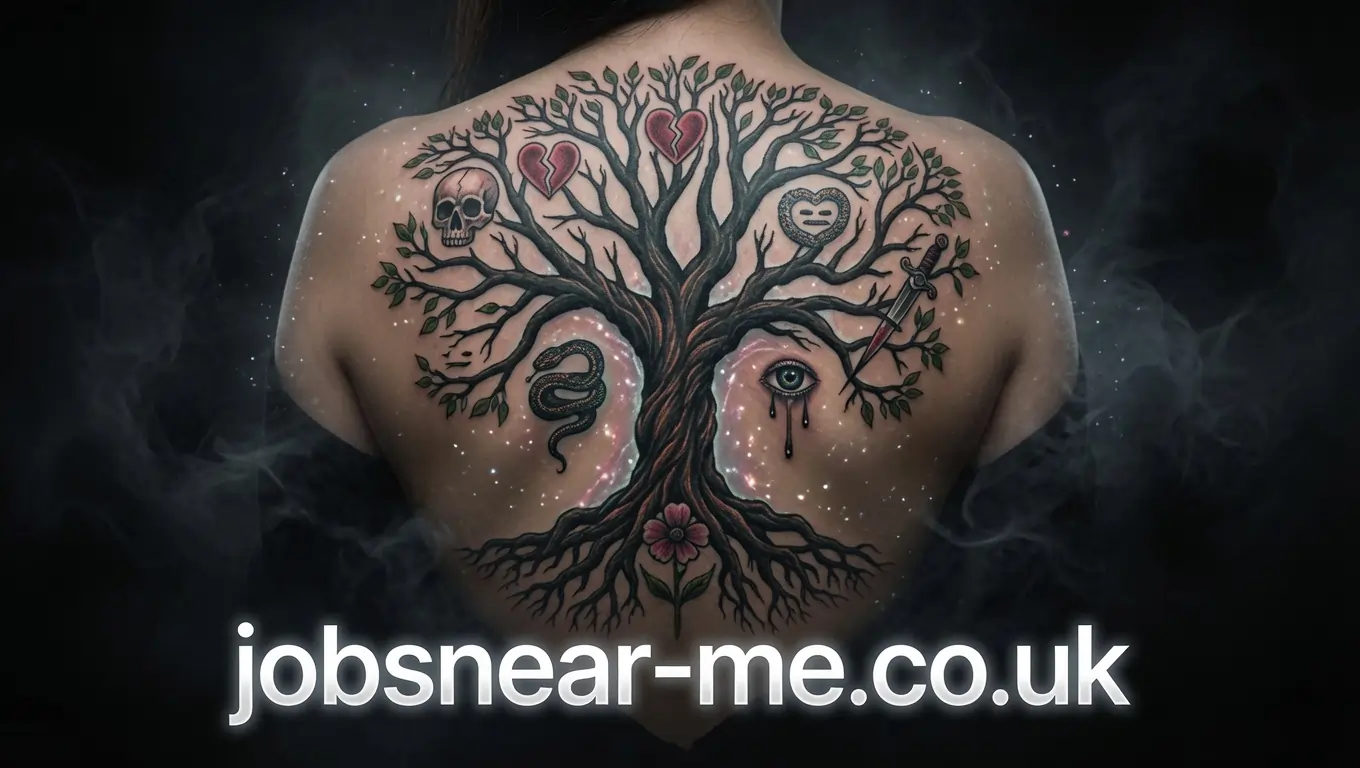
Poison Tree Tattoo Meaning: The Dark Flower of Justice
A poison tree tattoo looks beautiful but dangerous. Most people think it means revenge. They are half right. The real poison tree tattoo meaning comes from old folklore and a famous William Blake poem. This ink tells a story about anger you hide, the growth of a grudge, and the bitter fruit of silence. People choose this design to show they survived emotional betrayal. Others use it as a warning. Let us break down every layer of this powerful botanical symbol.
The Origin Story: William Blake’s “A Poison Tree”
The modern poison tree tattoo meaning starts with poetry. In 1794, William Blake published “A Poison Tree” in his collection Songs of Experience. The poem describes a speaker who stays angry at a friend. He does not speak his mind. He waters his anger with fears and tears. The anger grows into a shiny apple on a poisoned tree. An enemy eats the fruit and dies.
Blake wrote this to show how unexpressed emotions turn deadly. Tattoo artists borrowed this imagery. A single tree with glowing fruit now represents hidden wrath. Anyone wearing this ink carries Blake’s warning: silence kills more than words ever will.
Why a Tree? The Botanical Symbol of Hidden Danger
A tree grows slowly. You cannot see the poison inside the bark. That is the point. Unlike a knife or a gun, a poison tree works in secret. The roots dig deep into old wounds. The leaves look normal. Only the fruit reveals the truth.
Tattoo collectors love this contrast. The poison tree tattoo meaning combines natural beauty with moral decay. You can hide the meaning from strangers. Only you know the fruit is lethal. This makes the design personal. It is not a flash tattoo. It requires thought.
Poison Tree vs. Other Dark Botanical Tattoos
Many people confuse poison tree ink with black rose or nightshade tattoos. Here is the difference.
| Tattoo Type | Primary Meaning | Emotional Tone |
|---|---|---|
| Black Rose | Death, grief, loss | Sadness |
| Nightshade | False charm, danger | Deception |
| Poison Tree | Suppressed anger, revenge | Silent wrath |
| Hemlock | Political protest, punishment | Justice |
| Withered Oak | Broken family, aging | Decay |
The poison tree tattoo meaning focuses on cultivated anger. You do not find a poison tree in the wild. You grow it. This distinction matters for anyone who held a grudge for years.
The Apple: Sweet Death on the Branch
Every poison tree tattoo needs the fruit. The apple represents the final stage of rage. It looks perfect. A passerby would want to eat it. That temptation is the trap.
In Blake’s poem, the speaker rejoices when the enemy eats the apple. The poison tree tattoo meaning here shifts from victim to victor. You are not just hurt. You plan. The apple shows you have power. You wait. You do not strike first. You let the other person choose their own destruction.
Tattoo artists use bright red or gold apples against black or gray branches. The contrast draws the eye. This is intentional. The beauty masks the danger.
Color Psychology in Poison Tree Ink
Color changes the message. A black and gray poison tree feels Gothic and serious. It suits someone who meditates on old betrayals. A full-color version with green leaves and red apples looks cheerful. That irony is the point. The poison tree tattoo meaning becomes darker when the tree looks pleasant.
Some people add purple or blue fruits. These represent exotic poisons. Others use white apples for ghostly or spiritual revenge. Your color choice signals how fresh the anger feels. Bright red means active rage. Faded colors mean you buried the grudge but did not kill it.
The Dripping Fruit and Active Poison
Advanced designs show the apple dripping sap or liquid. This drip means the poison is active. It is not a memory. It is happening now. People who got hurt recently choose this version. The poison tree tattoo meaning becomes present tense. You are still in the conflict.
Some artists add a single drop falling toward the ground. That drop represents a future action. You have not decided yet. The tattoo becomes a journal entry on your skin. Every time you see the drip, you ask yourself: do I strike back or walk away?
The Human Element: Faces in the Bark
A hidden face in the tree trunk changes everything. Blake’s poem hints that the speaker becomes the tree. Your anger transforms you. A face with closed eyes means you refuse to see reason. A face with an open mouth shows you want to scream but stay silent.
This is rare in tattoo shops. Only custom artists do it well. The poison tree tattoo meaning with a face doubles as a self-portrait. You admit your own darkness. You are not innocent. You cultivated this poison. That honesty makes the tattoo healing for some people.
Snake Around the Roots: Double the Danger
Adding a snake is not redundant. The snake represents temptation. In the Bible, a snake tricks Eve into eating forbidden fruit. In poison tree ink, the snake whispers to you. It says: keep watering your anger. Do not forgive.
The combination of snake and poison tree tattoo meaning warns against listening to bad advice. Maybe a friend pushed you toward revenge. Maybe your own pride became the snake. Either way, the design shows external and internal poison working together.
No Fruit Yet: The Waiting Period
Some people ink the tree without apples. This is the most honest version. You are angry, but you have not acted. The poison tree tattoo meaning here is patience. You do not know if you will serve the fruit. You might forgive. You might forget. Or you might wait ten years.
This design appeals to logical thinkers. They do not want to commit to revenge. They want to track their emotional journey. The empty branches leave room for interpretation. You can add the apple later if you choose to strike.
Dead Ground and Withered Grass Underneath
The ground below the tree tells a story. Healthy grass means life continues around the poison. Dead grass means the poison spreads. Your anger affects innocent people. Friends get hurt. Family members feel the tension.
A poison tree tattoo meaning changes when you see the soil. Are you containing your rage? Or is it leaking into everything you touch? Artists use brown, cracked earth to show isolation. You stand alone under your tree. No one else can come close.
The Small Poison Tree on Hidden Skin
Placement matters. A large poison tree on the forearm says: look at my anger. I am proud of it. A small poison tree behind the ear or on the ribs says: this is private. You only see it if I trust you.
Women often choose the ribs or hip. Men choose the calf or shoulder blade. The poison tree tattoo meaning stays consistent, but the visibility changes how others perceive you. Hidden ink feels more powerful because only you control who knows the story.
Paired Tattoos: Two Trees from One Fight
Couples or former friends sometimes get matching poison trees. This is dark. Two trees mean two versions of the same fight. Each person believes they are the victim. Each person grows their own poison fruit.
The poison tree tattoo meaning in pairs becomes a shared delusion. Neither one will forgive. The tattoos lock them into permanent opposition. Therapists might call this unhealthy. Tattoo artists call it dramatic storytelling. Either way, the ink freezes the conflict forever.
Cover-Up Potential: Can You Remove the Poison?
This is a practical question. Poison tree tattoos are often large and dark. Covering them requires laser first. But some people add new elements to change the meaning. You can add a dove breaking a branch. That turns the poison tree tattoo meaning toward peace.
You can also add falling leaves. Leaves falling means the poison is ending. The tree dies. You choose to stop watering your anger. These alterations show growth. The tattoo becomes a timeline: here is my revenge fantasy, and here is my recovery.
Who Should Get a Poison Tree Tattoo?
This design fits specific personalities. Get this tattoo if you:
- Held a grudge for more than three years
- Survived workplace or family betrayal
- Want a visual reminder to speak up before you explode
- Love Gothic poetry and dark romanticism
- Prefer subtle symbols over obvious skulls and daggers
Do not get this tattoo if you forgive easily or hate explaining art to strangers. The poison tree tattoo meaning requires conversation. People will ask. You must decide how much to share.
The Psychological Weight of Wearing Poison
Artists report that poison tree clients often feel lighter after the tattoo. Why? Because you externalize the anger. The poison lives on your skin, not in your chest. You see the tree every morning. That visual cue helps you decide: do I stay angry or let it go?
Some clients cry during the session. Not from pain. From recognition. The poison tree tattoo meaning forces you to admit you are capable of destruction. That honesty breaks something open. Many people become more peaceful after getting “violent” ink.
Famous Examples in Pop Culture
No major celebrity has a public poison tree tattoo yet. But the symbol appears in TV shows like Yellowjackets and Hannibal. In Hannibal, Will Graham dreams of a stag with antlers made of poison tree branches. The poison tree tattoo meaning in that context represents becoming the monster to catch the monster.
In literature, Stephen King uses poison apple imagery in The Dark Half. The tree never appears directly, but the theme matches: suppressed rage grows a separate self. Tattoo collectors quote these references in shop consultations.
How to Describe Your Poison Tree to an Artist
Walk into the shop with specific words. Do not say “I want Blake’s poem.” Say: “I want a leafless tree with five red apples. One apple has a bite mark. The ground is cracked. No snake. No face. Black and gray except the apples.”
That brief tells the artist you understand the poison tree tattoo meaning. You are not guessing. You made choices. Good artists respect clients who study the symbol. You get better line work and custom shading when you show knowledge.
Aftercare and Longevity for Dark Imagery
Poison tree tattoos fade faster than other designs because of the dark shading. The trunk needs deep black to show contrast with the fruit. Sunlight turns black into greenish-gray within five years. Use SPF 50 on the tattoo every time you go outside.
Red apples fade to pink. Then to nothing. Touch up the fruit every three years if you want the poison to stay visible. Some people let the apples fade on purpose. That fading becomes part of the poison tree tattoo meaning. The poison weakens over time. Just like your anger.
Conclusion
The poison tree tattoo meaning is not simple revenge. It is a mirror. You look at the tree and see your own suppressed anger. You see how silence grows dangerous fruit. You decide whether to eat that fruit or burn the tree. This ink asks a question every day: are you still watering your poison? Answer honestly. Then wear the truth on your skin.
Frequently Asked Questions
1. Does a poison tree tattoo mean I want to hurt someone?
No. It means you recognize the potential to hurt someone. Most people get this tattoo after choosing not to act on revenge. The tattoo becomes a trophy of self-control, not a plan.
2. Can I get a poison tree tattoo if I am not angry anymore?
Yes. A dead poison tree with no leaves represents finished anger. You grew the tree. You watched it die. That story matters more than the living version.
3. Is the poison tree tattoo meaning different for men and women?
No. The meaning stays the same. But placement differs. Men choose visible spots like forearms. Women choose hidden spots like thighs or ribs. Both experience the same emotional weight.
4. What is the best size for a poison tree tattoo?
Six inches tall minimum. Smaller than that loses the fruit detail. The apples need clear shape. Tiny trees look like normal trees. Go big or skip the design.
5. How much does a custom poison tree tattoo cost?
$300 to $800 depending on the artist. Color and shading add cost. A black and gray minimalist tree runs $200. A full-scene tree with snakes and faces runs $1,000 or more.
6. Can I add text from Blake’s poem to my poison tree tattoo?
Yes. Common lines include “I was angry with my foe” or “My foe outstretched beneath the tree.” Place the text in a banner or on the roots. Keep the font small so the tree stays the main focus.