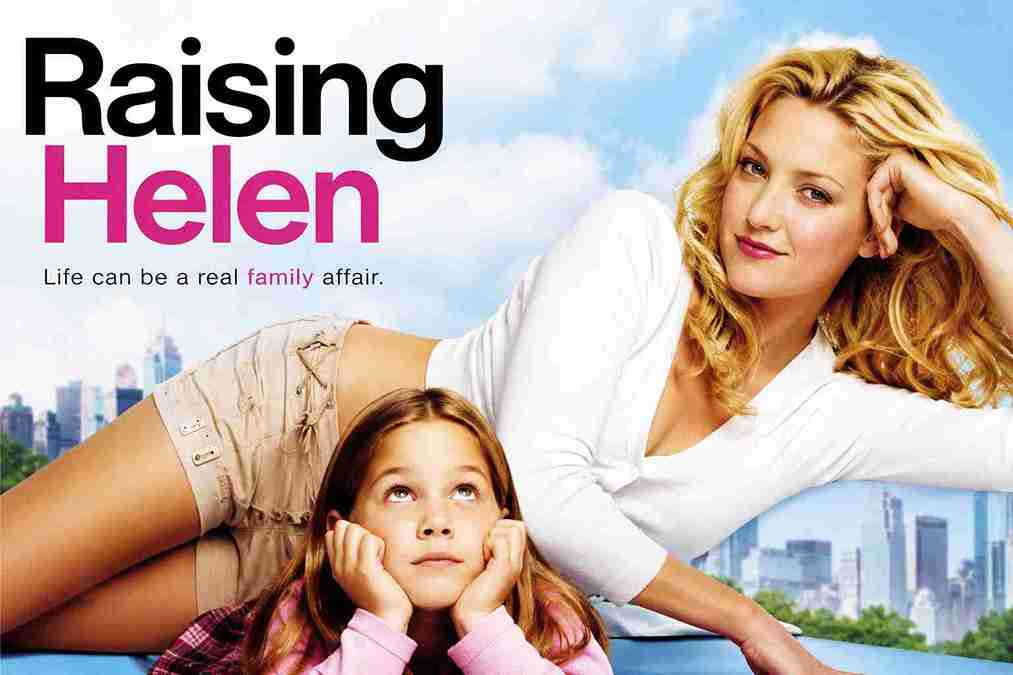
Raising Helen: The Ultimate Guide to the Film, Cast, and Impact
Introduction
A high-powered modeling agent trades late nights at fashion shows for PTA meetings and bedtime stories. This is the heart of Raising Helen, a film that tackles grief and guardianship with surprising warmth. Directed by Garry Marshall, this 2004 story remains a staple for fans of family dramas. This guide unpacks the plot, the talented cast, and why this movie still resonates today.
The Core Plot of Raising Helen
Raising Helen follows Helen Harris, played by Kate Hudson. She lives a fast-paced life in New York City working for a modeling agency. Her world shatters when her sister and brother-in-law die in a car accident. The will names Helen as the legal guardian of their three children: Audrey, Henry, and Sarah.
Helen must trade her Manhattan apartment for a house in Queens. She struggles to balance her career with the needs of a teenager, a young boy, and a kindergartner. The story focuses on her journey from self-centered professional to responsible parent. She finds unexpected help from Pastor Dan Parker, the principal of the kids’ Lutheran school.
Meet the Cast and Characters
The chemistry between the actors drives the emotional weight of the film.
- Kate Hudson as Helen Harris: The protagonist facing an unexpected motherhood journey.
- John Corbett as Pastor Dan Parker: The love interest who helps Helen navigate her new life.
- Joan Cusack as Jenny Portman: Helen’s older sister who struggles with being passed over as guardian.
- Helen Mirren as Dominique: Helen’s demanding and sharp-tongued boss at the modeling agency.
- Hayden Panettiere as Audrey Davis: The rebellious teenage niece.
- Spencer Breslin as Henry Davis: The middle child struggling with the loss.
- Abigail Breslin as Sarah Davis: The youngest child, unaware of the gravity of the situation.
- Felicity Huffman and Sean O’Bryan as Lindsay and Paul Davis: Helen’s sister and brother-in-law.
- Sakina Jaffrey as Nilma: Helen’s supportive co-worker.
Who Directed and Produced the Film?
Garry Marshall directed Raising Helen. Marshall was a titan of American comedy, known for Pretty Woman, The Princess Diaries, and Runaway Bride. His signature style blends sentimentality with sharp humor.
The screenplay came from Jack Amiel and Michael Begler. They adapted a story originally written by Patrick Clifton and Beth Rigazio. The production team included Mario Iscovich and Ellen H. Schwartz. Marshall’s direction ensures the film never becomes too dark, maintaining a light tone despite the heavy subject matter.
Where Was Raising Helen Filmed?
The film contrasts the glamour of Manhattan with the suburbs of Queens. The production used real locations in New York to achieve this authenticity.
- Manhattan: The opening scenes show Helen’s high-rise apartment and the fashion district office.
- Queens: Many exterior shots of the family home and neighborhood were filmed in the actual borough of Queens.
- Los Angeles: Some interior scenes, particularly those requiring complex camera setups, were shot on sound stages in California.
This geographical shift visually represents Helen’s internal transformation.
The Soundtrack: Music That Defines the Era
The soundtrack for Raising Helen is a time capsule of the early 2000s. It blends pop hits with soulful classics to match the film’s tone.
- “Extraordinary” by Liz Phair: This track plays during key moments of Helen’s transition. It became an anthem for the film’s marketing.
- “Dancing in the Moonlight” by King Harvest: Used in a pivotal dance scene between Helen and Pastor Dan.
- “Whip It” by Devo: Featured during a chaotic moment of family bonding.
- “If You Want Me To” by Ginny Owens: A spiritual track reflecting the faith-based subplot.
John Corbett, a musician in real life, performs “Who Broke Your Heart?” in the film, adding authenticity to his character.
Critical Reception and Box Office Performance
Raising Helen received mixed reviews from critics. Many praised the performances of Kate Hudson and Joan Cusack. Others felt the script relied too heavily on genre tropes.
Roger Ebert gave the film a positive review, noting it “has a heart” despite its predictability. The review aggregator Rotten Tomatoes shows an approval rating of approximately 50%. The consensus suggests the cast elevates the material.
Commercially, the movie was a moderate success. It opened at number four at the box office. It grossed over $37 million domestically against a budget of $30 million. It found a larger audience through DVD sales and cable television reruns.
Thematic Analysis: Grief, Family, and Choice
The central theme of Raising Helen is the unexpected nature of responsibility. Helen does not plan to be a mother; she is thrust into it.
- Grief: The children grieve differently. Audrey acts out, Henry retreats into video games, and Sarah asks innocent questions.
- Jealousy: Jenny (Joan Cusack) represents the “perfect” mother who is overlooked. Her jealousy is portrayed sympathetically rather than villainously.
- Faith: The film introduces faith gently through Pastor Dan. He does not preach; he simply provides a stable presence. This addresses the “spiritual” entity of the story without alienating viewers.
Raising Helen vs. Other Garry Marshall Films
Marshall often explored the “fish out of water” trope. In Raising Helen, the fish is a single woman thrown into family life.
Compare this to The Princess Diaries, where a teenager is thrown into royalty. Or Pretty Woman, where a businessman falls for a sex worker. Marshall’s strength lies in finding the universal humanity in these transitions. Raising Helen is arguably his most grounded film, trading fairy-tale castles for a cramped two-bedroom house.
Fashion and Style in the Movie
Helen Mirren’s character, Dominique, represents the high-fashion world Helen leaves behind. The costumes sharply contrast Helen’s designer suits with the rumpled khakis of Pastor Dan.
Helen’s style evolution is visual storytelling. As she embraces motherhood, her stilettos give way to sneakers. Her silk blouses are replaced by washable cotton. This wardrobe shift signifies her new priorities. It is a masterclass in using costume design to show character growth rather than just telling the audience about it.
Why Raising Helen Still Holds Up Today
Audiences still seek out Raising Helen for comfort. It offers a sense of hope that family can be created in the most unexpected circumstances. The film does not pretend that raising kids is easy. It shows Helen failing, losing her temper, and making mistakes.
This realism makes the movie relatable. Modern viewers appreciate the lack of cynicism. In an era of gritty reboots, Raising Helen remains a straightforward, earnest story about love. It validates the struggle of parents who feel they are “faking it.”
Frequently Asked Questions
Question 1: Is Raising Helen based on a true story?
No, Raising Helen is not based on a true story. The narrative is a work of fiction written by Jack Amiel and Michael Begler. It draws on universal themes of family obligation but does not depict real events.
Question 2: Who plays the pastor in Raising Helen?
John Corbett plays Pastor Dan Parker. Corbett is known for his roles in Northern Exposure and My Big Fat Greek Wedding. He brings a calm, grounded energy to the role of the love interest.
Question 3: What is the main conflict in Raising Helen?
The main conflict is internal and external. Helen must battle her own selfishness and fear of failure. Externally, she fights to keep her job while managing the emotional needs of the three children.
Question 4: How old is Kate Hudson in Raising Helen?
Kate Hudson was 24 years old during the filming of Raising Helen. Her character, Helen, is supposed to be in her late twenties. Hudson’s youthful energy contributes to the chaotic nature of her parenting style.
Question 5: Who is the antagonist in Raising Helen?
The film does not have a traditional villain. The antagonist is the situation itself. If forced to name one, Jenny Portman serves as the foil. Her disapproval and jealousy create tension for Helen, though she is not evil.
Question 6: Does Raising Helen have a happy ending?
Yes, the film has a happy ending. Helen reconciles with her sister Jenny and marries Pastor Dan. She achieves a balance between her career and her new role as a mother figure.
Final Thoughts: The Lasting Lesson
Raising Helen succeeds because it understands that love is an action, not just a feeling. Helen shows her love by showing up—to school plays, to doctor’s visits, and to the messy dinner table. The film invites you to reflect on your own support systems.
If you have not seen this Garry Marshall gem, now is the time to revisit it. Watch it with your family. Discuss the choices Helen makes. Share this guide with someone who loves a good story about second chances.